
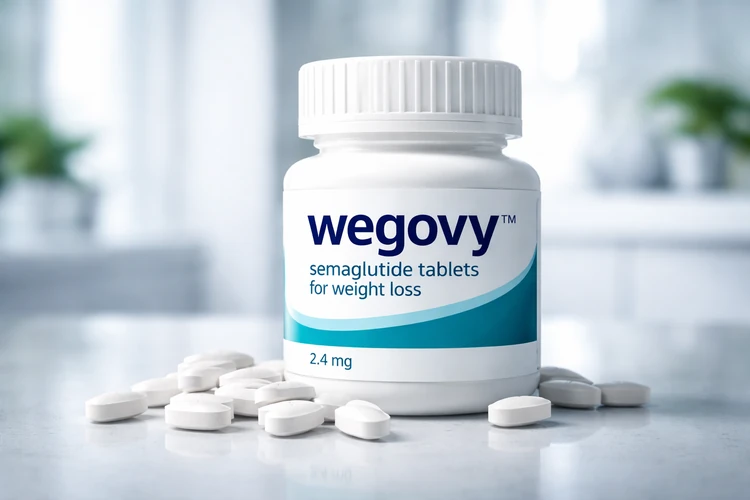
For the first time, people seeking medical support for weight loss have access to an FDA-approved GLP-1 medication in pill form.
In late 2025, the U.S. Food and Drug Administration approved an oral version of Wegovy, making it the first and only glucagon-like peptide-1 (GLP-1) pill officially approved for weight loss and long-term weight management. Until now, GLP-1 therapies for obesity were available only as injections.
The new Wegovy pill contains semaglutide, the same active ingredient used in the injectable version of Wegovy, and is now available by prescription at more than 7,000 pharmacies nationwide—including major chains like CVS and Costco—as well as through telehealth providers such as Ro, LifeMD, and WeightWatchers.
This approval represents a meaningful shift in obesity treatment and insurance coverage strategies, especially for employers evaluating weight-management benefits.
A First-of-Its-Kind Approval
The FDA approved the oral Wegovy pill on December 22, 2025, formally clearing it for obesity and long-term weight management.
While another oral GLP-1 medication, Rybelsus, is already FDA-approved, that approval applies only to reducing cardiovascular risk in adults with Type 2 diabetes. Some clinicians prescribe Rybelsus off-label for weight loss, but Wegovy is now the only GLP-1 pill with an explicit FDA indication for weight loss.
Until this approval, injectable GLP-1 medications dominated the market due to their strong clinical results. Oral GLP-1 therapies tend to be slightly less potent, but their convenience may significantly expand access—particularly among individuals who prefer pills over injections or experience needle anxiety.
How the Wegovy Pill Works
The Wegovy pill is designed specifically for weight loss and long-term weight management. It uses the same medication as the injection but delivers it in a once-daily tablet.
Semaglutide is a peptide, which means it is normally broken down by stomach acid. To overcome this challenge, the oral formulation includes a specialized absorption enhancer that helps the medication cross the stomach lining and enter the bloodstream.
Even with this technology, only a small portion of the medication is absorbed, which is why the pill uses higher doses than the injectable form.
Why Timing Matters
Because absorption is highly sensitive, patients must follow strict dosing instructions:
- Take the pill first thing in the morning
- Use a small amount of water
- Wait at least 30 minutes before eating, drinking coffee, or taking other medications
Missing this timing window can reduce the medication’s effectiveness.
Additional Health Benefits
Like the injectable version, the Wegovy pill is also FDA-approved to reduce the risk of major adverse cardiovascular events, including cardiovascular death, nonfatal heart attack, or nonfatal stroke, in adults with established cardiovascular disease and obesity or elevated body weight.
The injectable Wegovy also remains approved for adolescents ages 12 and older with obesity.
Wegovy Pill vs. Injection: What’s the Difference?
Both forms contain semaglutide, but the delivery method changes how the body absorbs the medication.
Injection
- Administered once weekly
- Absorbed steadily under the skin
- Bypasses the digestive system
- Often associated with fewer gastrointestinal side effects
- Convenient for those who prefer weekly dosing
Oral Pill
- Taken once daily
- Absorbed through the digestive system
- Requires precise timing
- May feel more intense for some patients due to GI absorption
- Preferred by individuals who dislike injections
Recommended Pill Dosage Schedule
Most clinicians follow a gradual step-up approach to improve tolerability:
- 1.5 mg (Days 1–30)
- 4 mg (Days 31–60)
- 9 mg (Days 61–90)
- 25 mg (Day 91 and beyond)
This slow ramp-up helps manage common side effects such as nausea or digestive discomfort.
Clinical studies show that when taken consistently, the pill performs similarly to the injection in appetite control and weight loss outcomes.
Cost of the Wegovy Pill
According to the manufacturer, Novo Nordisk, patients with insurance coverage can expect a copayment of $25 or less per month in many cases.
For individuals without insurance, pricing varies by dosage and generally ranges from $149 to $299 per month.
GoodRx has also announced pricing assistance, with some pharmacies offering the lower dosages (1.5 mg and 4 mg) for as little as $149 per month.
Insurance Coverage Considerations
Insurance coverage for the Wegovy pill typically depends on whether the patient meets FDA-approved medical criteria. Most insurers—including employer-sponsored plans—require one of the following:
- A BMI of 30 or higher, or
- A BMI of 27 or higher with at least one weight-related condition, such as:
- High blood pressure
- High cholesterol
- Type 2 diabetes
Even when criteria are met, insurers almost always require a prior authorization, where the prescribing provider explains the medical necessity of the medication.
Coverage is generally more likely when Wegovy is prescribed for long-term weight management, and approval may be further supported by its cardiovascular risk-reduction benefits.
What This Means for Employers and Plan Sponsors
The introduction of an FDA-approved oral GLP-1 option expands flexibility in benefit design. For some employees, the pill may improve adherence, reduce fear of injections, and lower out-of-pocket costs—while still delivering clinically proven outcomes.
As demand for weight-management solutions continues to grow, employers should review:
- Pharmacy benefit design
- Prior authorization requirements
- Long-term cost and utilization strategies